Learning from Mother Nature
Biomimetic facade paints for different substrates
Certain principles found in nature offer interesting approaches to the development of modern products. This is precisely where bionics comes in: it applies selected principles from nature to technical applications. SÜDWEST utilises these insights in the development of façade paints and offers a range of products for different substrates and requirements.
Biomimetic, practical, good
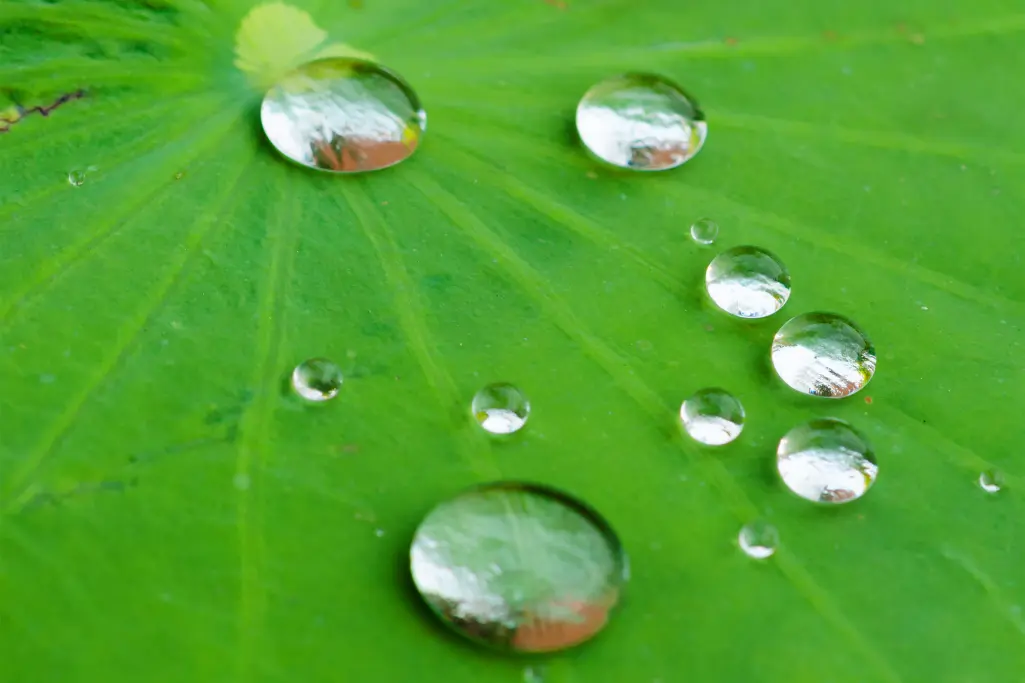
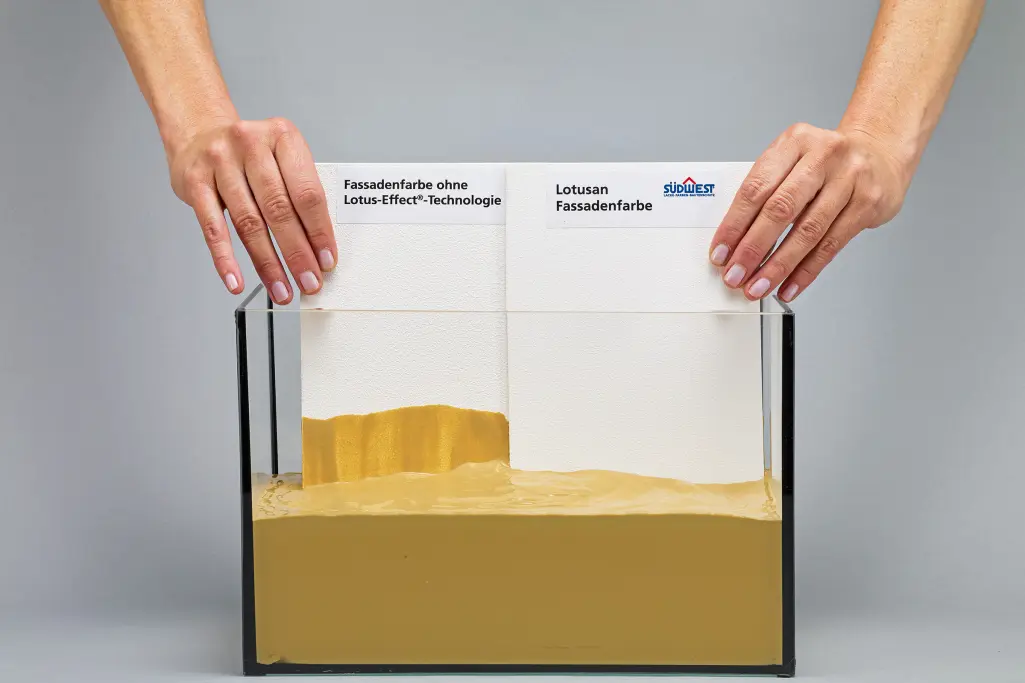
The best-known example is undoubtedly the Lotus-Effect®: water droplets roll off the leaves of the lotus plant, carrying dirt particles away with them. This principle serves as a model for facade coatings and has been used by SÜDWEST for many years. SÜDWEST Lotusan® and SÜDWEST Lotusan® Therm are water-repellent façade paints modelled on the lotus plant. Their properties help to reduce the growth of algae and fungi on the façade and keep surfaces clean.
Durable and versatile
SÜDWEST Lotusan® and Lotusan® Therm offer high resistance to weathering and chalking. They are UV-resistant, have good water vapour permeability and are particularly suitable for rendered substrates. Facades on the weather-exposed side, which are subject to particularly harsh conditions, can benefit from the properties of these two silicone-based facade paints. SÜDWEST Lotusan® and SÜDWEST Lotusan® Therm are easy to apply and leave minimal brush marks. They produce a matt finish. Professionals also appreciate the wide range of colours available.
Dual effect for areas with high levels of condensate
SÜDWEST Lotusan® Therm combines the water-repellent properties of the Lotus-Effect® with encapsulated film preservatives to protect the coating against algae and fungal growth. The active ingredients are gradually released from the coating depending on the environmental conditions. This combination of product properties is particularly suitable for surfaces where increased exposure to moisture or condensation is to be expected, for example near bodies of water or in woodland. In this way, Lotusan® Therm can help to reduce the growth of microorganisms on the coating.
How the Lotus-Effect® works:
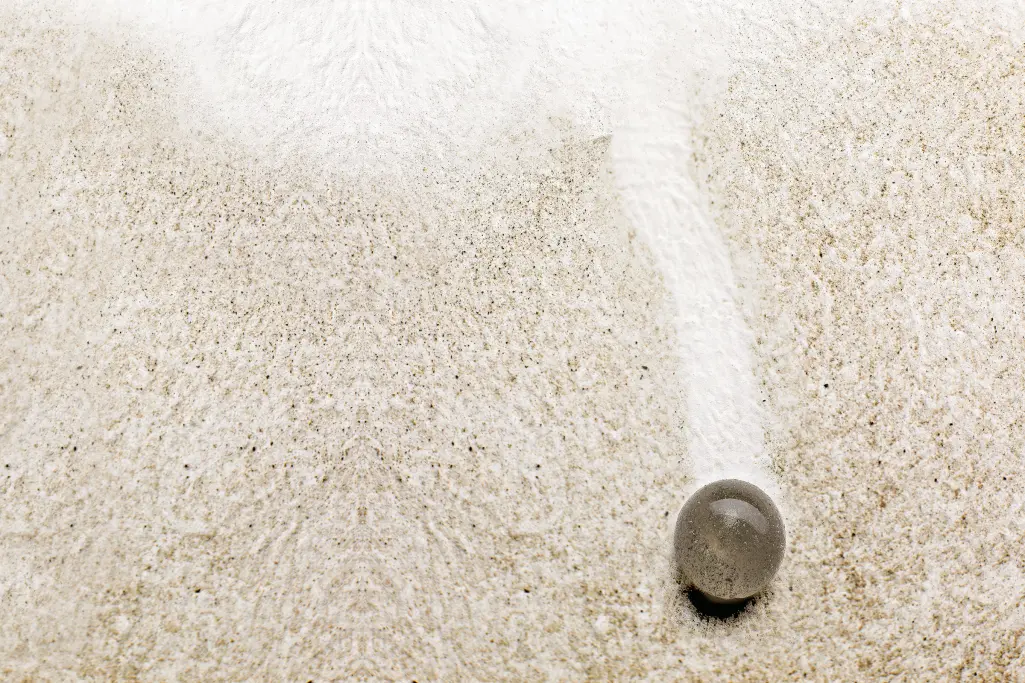
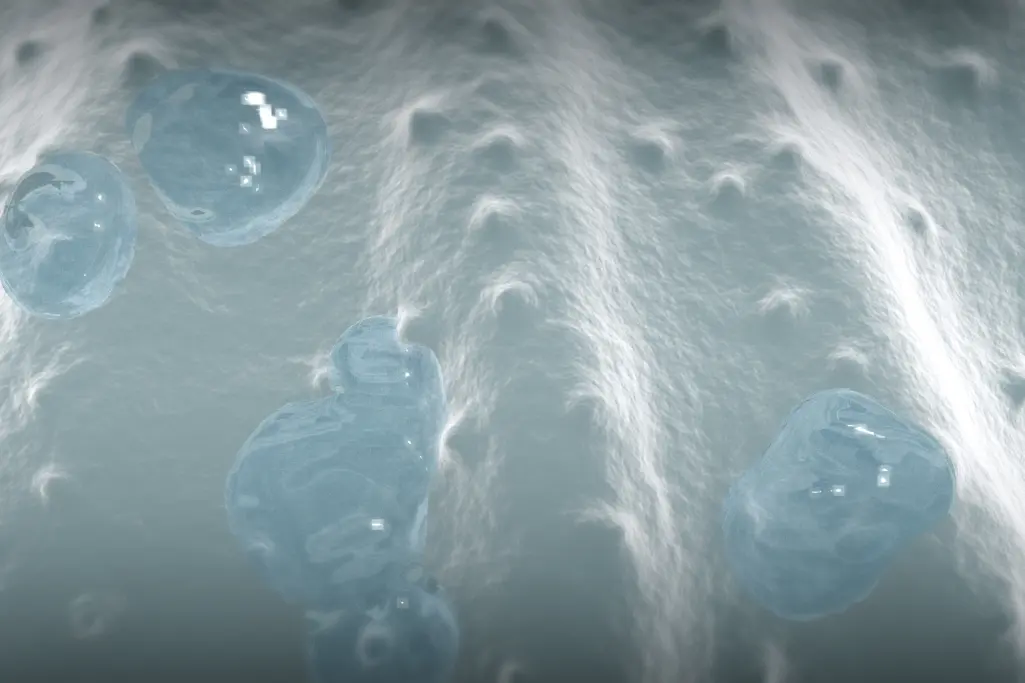
When two different surfaces come into contact, so-called adhesive forces are generated. These influence, for example, how strongly water droplets adhere to a surface. The strength of the adhesive forces depends, amongst other things, on the size of the contact area. The Lotus-Effect® reduces the contact area between water droplets and the surface. This is achieved through a special surface structure at the micrometre level and the surface’s hydrophobic properties. As a result, the water droplet remains largely spherical and wets the surface to a lesser extent. Water can therefore roll off more easily, carrying any dirt particles with it.
The result: the water-repellent properties of the coating help to minimise soiling of the surface.
Suitable for many substrates
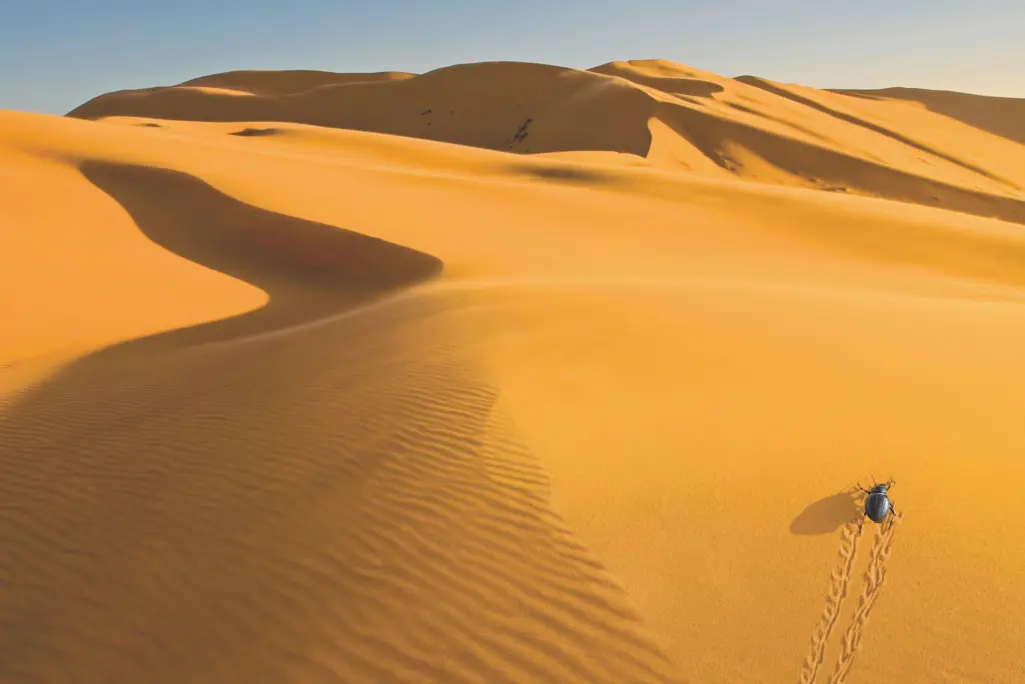
Less well known than the Lotus-Effect®, but also inspired by nature, is a principle from the animal kingdom. The Atlantic coast of Namibia is a dry, desert region where the fog-drinking beetle makes use of the moisture from wreaths of fog.
This principle served as the model for our SÜDWEST Drytec® façade paint. The special surface properties promote rapid water runoff – for example, from rain, mist or dew. This allows the façade to dry more quickly and helps to reduce the growth of algae and fungi. SÜDWEST Drytec® is also suitable for areas where increased condensation is to be expected. A particular advantage is its versatility for use on a wide range of substrates. These include metals, plaster, concrete, plastics and EWIS.
How it works in nature:
The desert habitat of the mist-drinking beetle is dust-dry. Near the Atlantic, it makes use of the moisture carried by drifting wisps of mist. The beetle positions itself on the crest of a dune and turns its body into the wind. Thanks to the special surface structure of its shell, fine mist droplets can collect and are then channelled directly to its mouth.
Flexible and economical
Using a special binder formulation, a surface principle found in nature has been applied to the façade paint. Dew can condense on the façade and then run off. Drytec® can be applied by brush, roller or using an airless sprayer, and offers a good spreading rate.